Care.com and Headspace Launch Mental Health Partnership for Caregivers
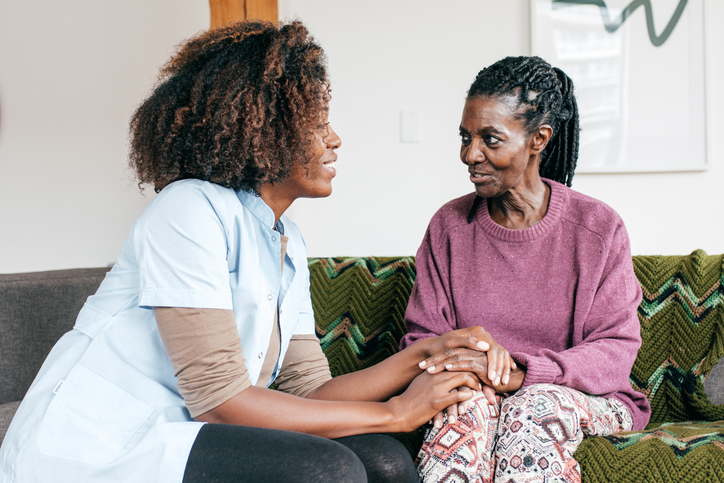
Headspace and Care.com partnered to provide caregivers with brief mindfulness content and free subscriptions to support their mental health.
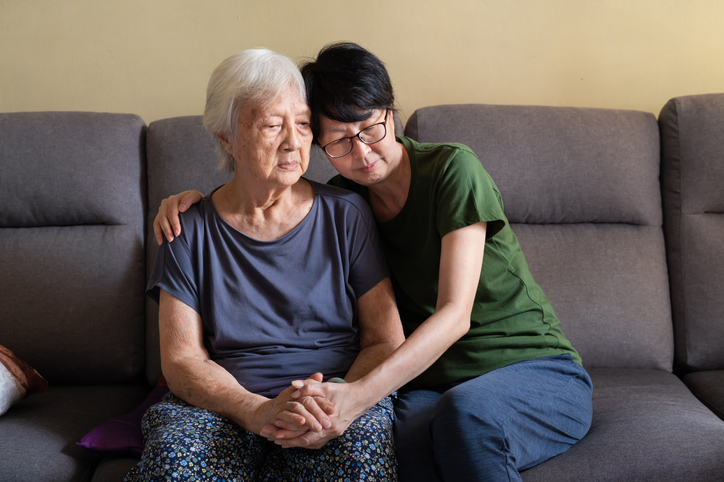
Caregivers are a backbone of serious illness care, but they cannot carry the system alone. We have reached a point where failing to support them is indistinguishable from failing patients.
In a landscape where complexity has long been the norm, the power of one lies not just in unification, but in intelligence and automation.
For AI to truly revolutionize healthcare, it must understand the social, environmental, and emotional context that influences health outcomes in order to make interventions more targeted and effective. AI can only achieve this degree of understanding if it is fed novel data that reflects the human experience – data that is currently generated by tech-enabled services.
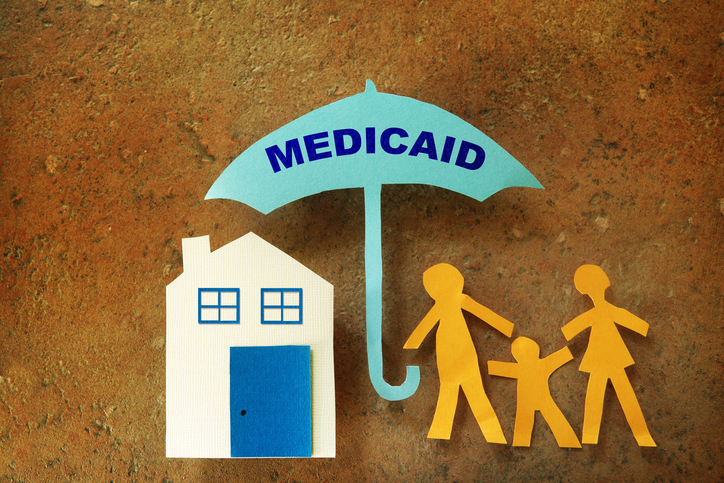
At the heart of this fight are the patients whose lives quite literally depend on Medicaid. But we are also fighting for the caregivers who show up every day, the children who rely on stability, the families who rally around their loved ones, and all those whose lives are shaped by access to care.
DUOS recently won the health tech consumer/employer track of MedCity News’ INVEST Pitch Perfect contest. The company supports older adults and their caregivers by addressing health-related social needs and connecting patients to care.
When home dialysis is done right, care partners quickly discover they are becoming an integral part of the process as engaged, informed participants rather than uninformed outside observers. By knowing more, care partners can worry a lot less.
At the ViVE conference in LA, Smarter Technologies Chief Medical Officer Ruben Amarasingham MD talked with Katie Adams about the company's larger goals for AI: to improve the accuracy of data and make healthcare less burdensome for physicians and clinicians.
These valuable caregivers do not need false claims, empty promises, or even more technology to stay on top of. They need access to health education and literacy, healthy food, and seamless self-efficacy tools.
While many view Dr. Mehmet Oz's nomination to lead the Centers for Medicare and Medicaid Services (CMS) with skepticism, there's a compelling case that his unconventional background could catalyze long-overdue support for family caregivers.
Early diagnosis through blood tests buys invaluable time – for patients and their families to plan, seek support, make informed decisions about their difficult care journey and, perhaps most importantly, be together.
The best healthcare technology emerges from collaborative efforts. Here's why working alongside physicians, nurses, and home health caregivers builds a stronger foundation.
The vast majority of older adults want to age at home. To support that goal, doctors should encourage them to consider their care options — long before they need assistance.
Tomorrow’s goal scoring companies will go on offense today by giving an assist to their caregiving team members.
On the surface, it sounds positively delightful - who wouldn't want to help dear grandma avoid the nursing home? But as is often the case with these sweeping government proposals, the devil is in the details.
The U.S. workforce does not need to be in a position where they must choose between their careers and caring for their families. If sufficient balance between work and caregiving is not achieved, caregivers face the risk of becoming patients themselves.
What should we expect in Tuesday's debate? If past performance is any indication, probably a lot of hemming and hawing — but we should demand concrete plans for paid family leave, Social Security credits for caregivers, and strategies to leverage technology in support of care work.